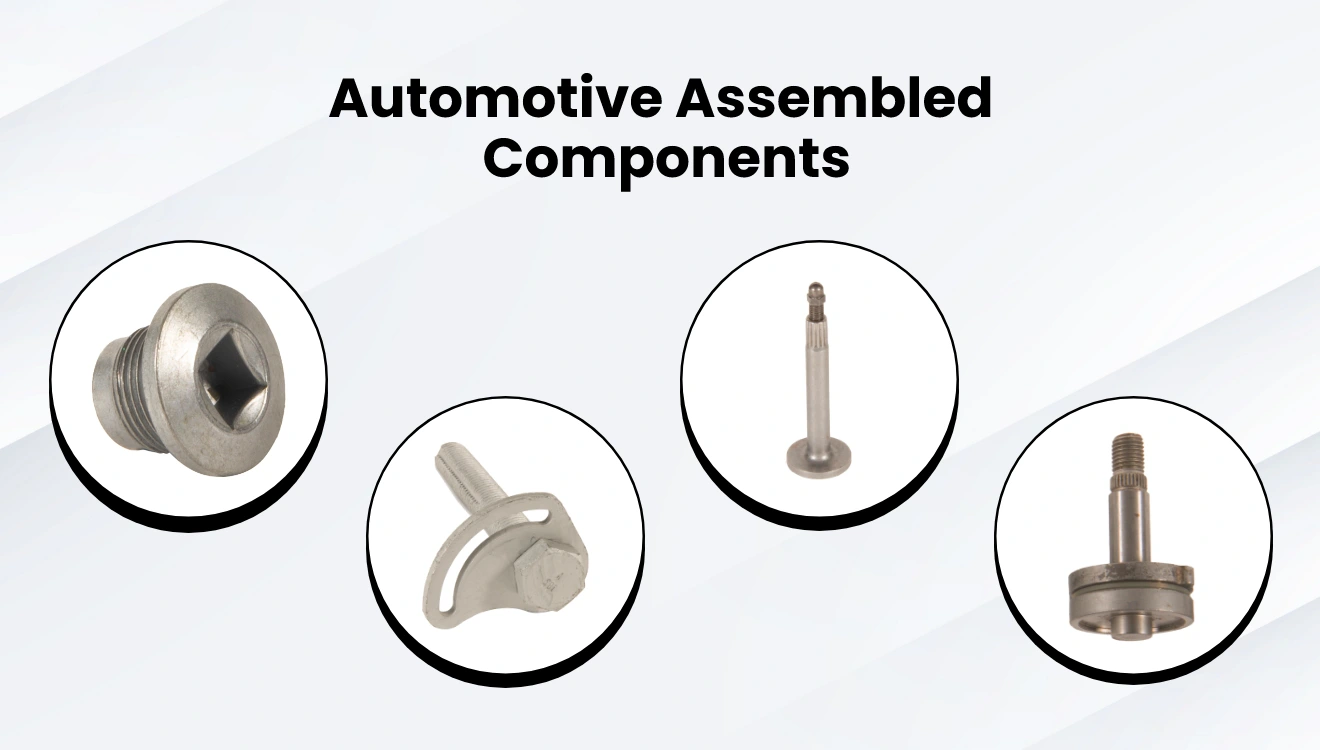
The Role of Fasteners in Automotive Industrial Safety and Performance

Fasteners are among the most essential components in the automotive industry. Every vehicle, from compact cars to heavy-duty trucks, relies on millions of bolts, nuts, screws, rivets, and other fastening devices to hold critical parts together. Although small in size, these components play a central role in safety, reliability, and performance. Without proper fastening solutions, the structural integrity of vehicles would be compromised, leading to reduced performance and potential hazards.
This article explores the functions of fasteners in automobiles, their role in industrial safety, their impact on performance, and the standards that regulate their use in modern automotive manufacturing.
Importance of Fasteners in the Automotive Industry
Fasteners are mechanical devices designed to hold two or more parts together. In automotive manufacturing, they are used to assemble chassis, engines, transmissions, brakes, body panels, and interior components. Their function is not limited to joining; they also maintain alignment, prevent vibrations, and support disassembly for maintenance and repair.
A single passenger car may contain more than 30,000 parts, and most are held in place with the help of fasteners. In heavy-duty vehicles, the number is even greater. The widespread use of these components highlights their importance in ensuring the overall reliability of the vehicle.
Role of Fasteners in Industrial Safety
Structural Integrity
Automotive industrial safety depends largely on the structural strength of the vehicle. Fasteners maintain the framework of the car, ensuring that key assemblies such as the chassis, suspension, and body panels remain intact under stress. Proper torque and tension prevent loosening, which could otherwise lead to part failure during operation.
Crashworthiness
During a collision, fasteners influence how energy is absorbed and distributed throughout the vehicle body. High-strength bolts in crash zones are engineered to withstand impact and keep key structures intact long enough for safety systems like airbags and seat belts to function properly.
Brake and Steering Systems
Brake assemblies and steering columns rely on highly durable fasteners. A single failure in these critical areas can lead to catastrophic accidents. For this reason, special alloys and coatings are often used for fasteners in brake calipers, rotors, and steering linkages to prevent wear, loosening, and corrosion.
Prevention of Vibrations and Fatigue
Vehicles experience constant vibrations from engines, road surfaces, and aerodynamics. Poorly secured fasteners may loosen over time, leading to component fatigue or separation. Advanced locking mechanisms and vibration-resistant fasteners’ designs are crucial for preventing safety hazards.
The Role of Fasteners in Vehicle Performance
Weight Reduction and Fuel Efficiency
The automotive industry continues to prioritize lightweight materials to improve fuel efficiency. Fasteners play a role by integrating advanced materials such as aluminum, titanium, and composite-based rivets, which reduce weight without compromising strength.
Aerodynamics
Exterior body panels and underbody shields are secured with flush-mounted fasteners that reduce drag and improve aerodynamics. Even minor improvements in aerodynamics contribute to better fuel efficiency and overall performance.
Heat and Corrosion Resistance
Engines and exhaust systems operate at high temperatures. Fasteners in these areas must withstand both heat and corrosion. Stainless steel, titanium, and coated fasteners are commonly used to enhance longevity and maintain consistent performance in harsh environments.
Serviceability and Maintenance
Performance is not just about speed and efficiency; it also includes the ability to maintain and repair vehicles. Fasteners are designed for repeat assembly and disassembly, enabling technicians to replace worn parts without damaging the overall structure.
Types of Automotive Fasteners
Automotive industrial manufacturing utilizes a wide range of fasteners, each tailored for specific functions:
- Bolts and Nuts: Provide strong clamping force, used extensively in chassis, engines, and suspensions.
- Screws: Used for interior assemblies, electrical components, and smaller fittings.
- Rivets: Common in permanent assemblies such as brake linings and body panels.
- Clips and Clamps: Secure wiring harnesses, hoses, and trim.
- Washers: Distribute loads evenly and prevent surface damage.
- Specialty Fasteners: Include locking bolts, self-tapping screws, and high-strength studs designed for vibration-prone or high-load applications.
Standards and Regulations Governing Fasteners
Automotive fasteners must comply with strict standards to ensure quality, safety, and durability. Some of the widely recognized standards include:
- ISO (International Organization for Standardization): Defines global standards for dimensions, materials, and performance of fasteners.
- SAE (Society of Automotive Engineers): Sets specifications widely used in North America for automotive fastener materials and grades.
- ASTM International: Provides material and mechanical property standards for bolts, nuts, and washers.
- OEM Specifications: Original equipment manufacturers often impose additional requirements on fastener suppliers to meet unique vehicle design needs.
Compliance with these standards ensures that automotive fasteners meet the required tensile strength, fatigue resistance, and corrosion protection levels necessary for modern vehicles.
Innovations in Automotive Fasteners
The automotive industry continues to evolve, and fastener technology has advanced alongside it. Some key innovations include:
Lightweight Materials
The shift toward electric vehicles (EVs) and stricter emission standards has accelerated the use of lightweight materials. Aluminum, magnesium, and titanium fasteners are increasingly used to cut down overall vehicle mass.
Coatings and Surface Treatments
New coatings improve corrosion resistance and reduce friction during assembly. Zinc-nickel and organic polymer coatings extend the service life of fasteners, especially in regions exposed to road salts and moisture.
Adhesive Bonding with Fasteners
Hybrid joining methods that combine fasteners with structural adhesives are gaining traction. This dual approach provides greater load distribution and increased resistance to fatigue.
Challenges in Automotive Fastening
Corrosion
Exposure to road salt, humidity, and extreme weather can corrode fasteners, weakening their grip. Corrosion-resistant materials and coatings are necessary but often increase costs.
Loosening Under Vibration
Vehicles undergo constant vibration and shock loads. Ensuring fasteners remain secure without overtightening remains a major engineering challenge.
Balancing Strength and Weight
High-strength fasteners add durability but also increase weight. Finding the right balance is critical to meeting both safety and performance goals.
Cost and Supply Chain
With the global automotive industry demanding millions of fasteners daily, consistent supply of quality products at reasonable costs poses a significant challenge.
Future Outlook
The role of fasteners in automotive safety and performance will continue to grow with advancements in vehicle technology. Electric vehicles, with their heavy batteries, require specialized fasteners capable of handling weight and vibration. Autonomous vehicles demand even higher reliability standards, as component failures could affect critical navigation and safety systems.
Conclusion
Fasteners form the backbone of automotive safety and performance. They hold vehicles together, ensure crashworthiness, improve efficiency, and enable long-term reliability. From bolts in the engine to rivets in the body panels, each fastener contributes to both safety and performance in ways that are often unnoticed yet absolutely essential.
We deliver specialty fasteners and other product solutions tailored to meet the needs of various industries! We ensure high-quality standards and improve overall operational performance! Vico Products’s progressive engineering and cutting-edge tooling designs lead to “net-shaped” fasteners. In addition, in-house secondary machining, thread rolling, drilling and assembly are available if needed. Vico Products continually looks for innovative manufacturing solutions to best serve the needs of its customers. For more information, reach out at support@vico.com.